The poo in you!
Watch this short 5 minute video to understand bowel movements and what happens with constipation/stool holding.
TOILETING – READINESS SKILLS - BY ABOUT 24 MONTHS
___ Responds to reinforcement
___ Follows simple directions
___ Seems uncomfortable in soiled diapers
___ Remains dry for 2 hours at a time
___ Bowel movements are predictable and regular
___ Pulls pants down
___ Pulls pants up (with assistance)
___ Can sit still for 2 minutes at a time
TOILETING – DEVELOPING SKILLS - BY ABOUT 36 MONTHS
___ Has learned a word, sign, or PECS for toilet (e.g., potty, pee, sign for toilet)
___ Asks to use the toilet
___ Unbuttons, unsnaps, or unzips pants
___ Sits on toilet
___ Urinates on toilet
___ Wipes after urinating (girls)
___ Defecates on toilet
___ Wipes after defecating (with assistance)
___ Pulls underwear up
___ Pulls pants up
___ Zips, snaps, or buttons pants (with assistance)
___ Flushes toilet
___ Washes hands (with assistance)
___ Dries hands
TOILETING – MASTERY SKILLS - BY ABOUT 48 MONTHS
___ Aims into the toilet while standing (boys)
___ Wipes self (girls wipe from front to back)
___ Zips front zippers
___ Buttons front buttons
___ Snaps front snaps
___ Washes and dries hands - as part of the toileting routine
___ Night-time trained (may still have accidents)
Adapted from Advanced Training Solutions “Toilet Training Toolkit” www.avbpress.com
___ Responds to reinforcement
___ Follows simple directions
___ Seems uncomfortable in soiled diapers
___ Remains dry for 2 hours at a time
___ Bowel movements are predictable and regular
___ Pulls pants down
___ Pulls pants up (with assistance)
___ Can sit still for 2 minutes at a time
TOILETING – DEVELOPING SKILLS - BY ABOUT 36 MONTHS
___ Has learned a word, sign, or PECS for toilet (e.g., potty, pee, sign for toilet)
___ Asks to use the toilet
___ Unbuttons, unsnaps, or unzips pants
___ Sits on toilet
___ Urinates on toilet
___ Wipes after urinating (girls)
___ Defecates on toilet
___ Wipes after defecating (with assistance)
___ Pulls underwear up
___ Pulls pants up
___ Zips, snaps, or buttons pants (with assistance)
___ Flushes toilet
___ Washes hands (with assistance)
___ Dries hands
TOILETING – MASTERY SKILLS - BY ABOUT 48 MONTHS
___ Aims into the toilet while standing (boys)
___ Wipes self (girls wipe from front to back)
___ Zips front zippers
___ Buttons front buttons
___ Snaps front snaps
___ Washes and dries hands - as part of the toileting routine
___ Night-time trained (may still have accidents)
Adapted from Advanced Training Solutions “Toilet Training Toolkit” www.avbpress.com
There’s a big range of normal when it comes to how often children have a bowel movement (BM). Some children go 2-3 times a day, and other children go twice a week.
The normal ups and downs
The course of toilet learning is not always smooth. Accidents and setbacks can happen. Accidents are very common and are a normal part of learning process. Children may be interested in the toilet one day, and not the next. Your child may be ready at a different time than brother, sister, friends' children or other children in preschool. May be ready at home but not at school.
Common reasons for setbacks:
Often, children are afraid of change. Try to respect the child's timing and let him/her take time off from the hard work of learning to use the toilet. Sometimes, fear is at the root of a child's refusal to use the toilet. Children may be fearful that their bodies might be giving up something important, or simply afraid of the loud flush of the toilet. Sometimes just putting the feelings into words for the child can help: "You seem afraid of using the toilet." or "That toilet sounds very loud, doesn't it?" Some children have trouble with constipation and do not want to use the toilet. Toileting can also become a power struggle between parent and child. Parents and teachers do not always have the control they would like to have--while you can make a child sit on the potty, you cannot make him use it. Setbacks are also normal when children are under stress. We try to handle accidents in a matter-of-fact way.
Health problems:
It’s worth keeping an eye out for possible problems connected with toilet training. Signs to look for include:
- A big increase or decrease in the number of bowel movement or voiding pattern.
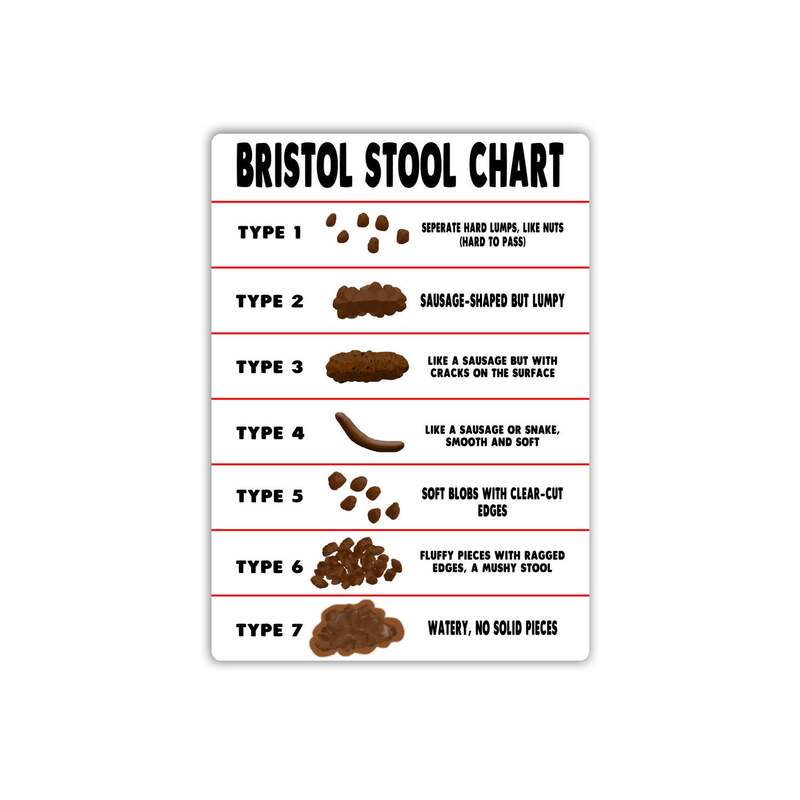
- Bowel movements that are very hard to pass (constipation).
- Unformed or very watery bowel movements.
- Blood in the bowel movement or urine (sometimes appears as cloudy urine).
- Pain when your child goes to the toilet.
- Fecal smearing or soiling in underwear (encopresis)
Tips and Tricks if Your Child Won't Release their Pee:
http://hello.jamieglowacki.com/the-kid-who-just-cant-release-the-pee/